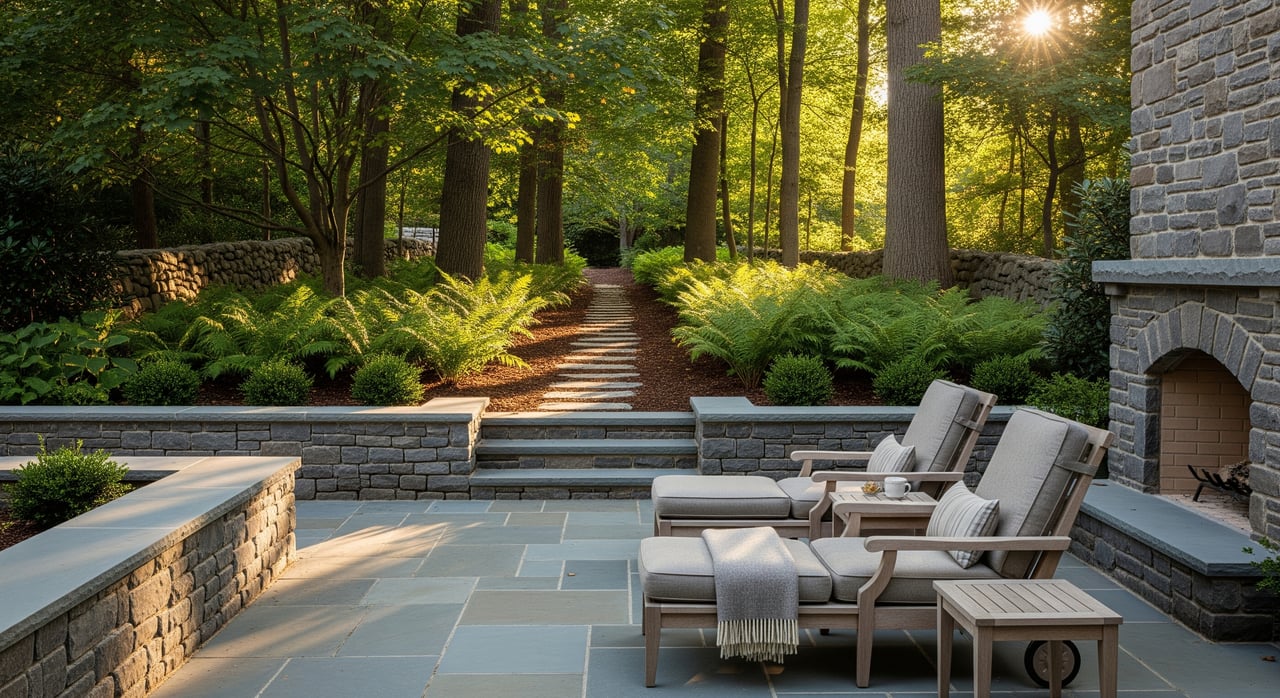
Craving woods, a yard, and easy trail access without losing touch with NYC? In Wilton, you can settle into a quiet, privacy‑focused setting while staying connected to regional parks, preserved open space, and a practical commuter network. This guide shows you how Wilton’s parks and trail systems work, how lot sizes shape daily life, and what to check when buying near conserved land. Let’s dive in.
Why Wilton outdoor living stands out
Wilton blends a small village feel with wooded neighborhoods, ridges, and river valleys. Large areas of preserved open space create the “woods plus yard” lifestyle many buyers want. You get room to breathe, forested buffers, and a short drive to trailheads and fields.
Regional planning supports this outdoor network. Trails and open‑space strategies are coordinated with neighboring towns in western Connecticut, which helps connect local loops to the wider system.
NRVT: access and segments
The Norwalk River Valley Trail is a regional rails‑to‑trails project designed to link the Norwalk shoreline to the Danbury area along the Norwalk River corridor. In and around Wilton, you’ll find a mix of completed stretches, segments under design, and future connections.
Surfaces vary by section. Some are paved, others are crushed stone or natural surface, which affects bike and stroller choices. Local access points can differ by town, and parking may be limited, so check a current map before you go.
Community partnerships power this trail. A regional NRVT organization and local volunteers coordinate design, maintenance, and stewardship. Seasonal use is common, and wider segments can work for cross‑country skiing or snowshoeing when conditions allow.
Land‑trust and town trail networks
Beyond the NRVT, Wilton’s network includes town open space, conservation parcels, and Wilton Land Conservation Trust preserves. These areas offer loops and connectors that link neighborhoods to river corridors and higher ridgelines.
Trail stewardship is a team effort. Town departments and volunteer crews handle most maintenance, with occasional contractor support. Rules can vary by site, so confirm parking guidelines and leash expectations for dogs before you head out.
Parks, fields, and recreation programs
Wilton’s Parks & Recreation programming typically covers sports fields, playgrounds, courts, youth leagues, adult leagues, summer camps, and special events. These programs create a reliable weekly rhythm for families.
School fields often serve community sports outside school hours. Local institutions like libraries or historical sites may add seasonal nature walks and children’s activities. Always check schedules and reservation rules for the latest details.
Lot sizes and privacy: day‑to‑day impact
Much of Wilton is zoned for lower density than inner‑ring suburbs, so you’ll see larger lots, mature trees, and more space between homes. The result is quieter streets and room for gardens, pets, play areas, and pools.
With space comes responsibility. Longer driveways usually mean more snow removal. Many homes rely on private septic and wells, which require periodic inspection and maintenance. Wooded lots can call for proactive tree work and invasive‑species control.
Consider the privacy versus convenience tradeoff. Larger lots may sit farther from village centers, public transit, and trailheads. Some neighborhoods offer a balance with somewhat smaller lots closer to services and connectors.
Commute and location choices
Wilton sits within the Greater NYC commuter region. You can drive via the Merritt Parkway or Route 7, or use Metro‑North’s Danbury Branch for rail access. Commuting realities such as schedule, parking, and station proximity often shape neighborhood choices.
If you want quick trail access, consider how you’ll balance that with your daily commute. Many buyers aim for a location that keeps both the station and a favored trailhead within a comfortable radius.
Shop smart near open space
Homes near preserved land can offer lasting views and a natural buffer. Still, the details matter. A “trail‑adjacent” listing might border a preserve, sit near a public trailhead, or include an easement path. Each scenario brings a different level of access and maintenance responsibility.
Review zoning rules, septic capacity, wetlands setbacks, and any conservation easements before you commit. Town GIS, assessor records, and land‑trust maps help you understand boundaries, trail corridors, and restricted zones.
Everyday routines you can expect
- Morning rhythm: 20–45 minute walks with the dog on neighborhood connectors or land‑trust loops before work or school.
- After‑school options: youth leagues at town fields and informal trail time for exploration and fresh air.
- Weekends: longer NRVT rides or hikes, picnics at parks, foliage walks in fall, and sledding or cross‑country skiing where terrain and weather allow.
- At home: larger lots support patios, gardens, playsets, and pool setups, subject to zoning and septic constraints.
Buyer checklist: Wilton outdoor living
- Confirm your zoning district and setback rules with Planning & Zoning.
- Request septic system records, inspection results, and well reports if applicable.
- Review conservation and trail easements in the deed, plus wetlands and floodplain maps.
- Check town GIS and land‑trust maps for preserved parcels and trail corridors near the property.
- Ask about road maintenance and snow removal for private or shared driveways.
- Verify Metro‑North schedules and station parking details that fit your commute.
- Review Parks & Recreation program options that match your family’s schedule.
- Confirm site‑specific rules for dogs, parking, and seasonal trail use.
Ready to find a home that fits the woods‑and‑yard lifestyle while keeping your commute and weekend plans simple? For calm, personalized guidance and neighborhood‑level insight, connect with Janis Hennessy to Request a Bespoke Market Consultation.
FAQs
Are Wilton trails open year‑round?
- Most town and land‑trust trails are open year‑round, but conditions and site‑specific restrictions can change seasonally, so check current guidance before visiting.
Does living next to a preserve guarantee privacy?
- Adjacency usually provides a long‑term buffer, but some preserves include public trails near rear yards, so review easements and maps to understand exact conditions.
Do larger lots mean higher maintenance in Wilton?
- Typically yes, since wooded lots, longer driveways, and private septic or wells add ongoing landscape, snow, and systems upkeep to your budget.
How do trails affect resale value in Wilton?
- Proximity to well‑maintained parks and trails is a plus for many buyers, though being next to a busy trailhead with parking may not suit everyone.
Are there NYC commute options from Wilton?
- Yes, the town is served by Metro‑North’s Danbury Branch and major highways, but you should confirm schedules, parking, and travel times for your preferred neighborhood.
