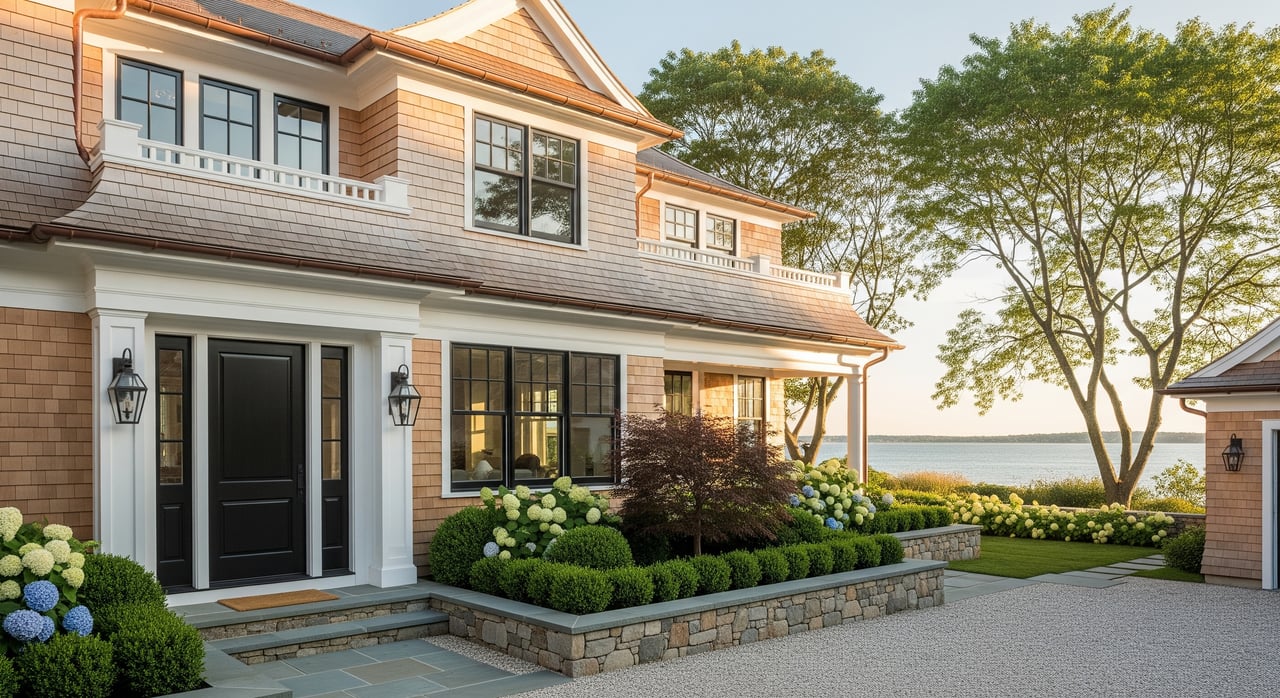
Are you eyeing a luxury home in Fairfield County and noticing how quickly the best listings seem to vanish? You are not alone. In the $2M and above tier, competition is real, inventory is nuanced, and a clear plan matters. In this guide, you will learn what is driving demand, how Darien compares with nearby towns, where to find hidden opportunities, and how to structure a winning offer without taking on unnecessary risk. Let’s dive in.
What is driving demand now
Fairfield County remains a magnet for high‑income households who want space, a coastal or small‑town lifestyle, and reliable access to New York City. Buyers continue to prioritize single‑family homes with usable outdoor areas and flexible space for offices or guests. Proximity to Metro‑North and I‑95 stays important for hybrid commuters.
Higher mortgage rates have changed timing for some buyers, but many luxury purchasers use cash or large down payments. That can reduce sensitivity to rates and strengthen negotiation positions. At the same time, coastal insurance and flood resiliency are bigger parts of the conversation, especially for waterfront or low‑lying homes.
Darien vs nearby towns: how to compare
Darien (06820) is a common benchmark for coastal luxury because it pairs transit access, a compact downtown, and sought‑after coastal amenities within a small footprint. That limited size means true luxury inventory can be scarce, which affects pricing and speed.
- Coastal peers: Greenwich, Westport, and parts of Fairfield offer coastal lifestyle and downtown access. You often trade larger lots for prime location, water access, or walkability.
- Inland peers: New Canaan, Wilton, Weston, and parts of Ridgefield usually offer more acreage and newer systems at the same price point. You often gain space and privacy while giving up direct coastal access.
What $2M+ tends to buy
- In coastal towns: location, water adjacency or views in select cases, updated cottages and mid‑sized estates, and better access to train and town centers.
- In inland towns: larger lots, newer or recently rebuilt homes, greater square footage, and more privacy.
Your choice comes down to lifestyle, commute, and tolerance for coastal due diligence versus acreage and systems maintenance.
Inventory and absorption: patterns to expect
In the $2M+ segment, buyers move deliberately and the pool is smaller than entry price tiers. That usually means longer days on market overall, yet top listings in great locations can still sell fast and with multiple offers. Spring brings the most new listings and showings. Late fall and winter can be quieter with fewer choices but less buyer competition.
Watch for signals in your target micro‑market:
- Price reductions trending up suggest softening. Few reductions and short market times point to overheated demand.
- List‑to‑sale price ratios above 100 percent indicate fierce competition. Ratios in the mid to high 90s can mean room to negotiate.
- Off‑market activity is meaningful in the upper tier. Well‑connected agents can surface inventory you will not see online.
A tactical offer playbook for $2M+ buyers
Winning in a low‑inventory, high‑demand pocket requires preparation and a balanced offer strategy.
Prepare your file
- Secure a written pre‑approval with a lender experienced in jumbo financing. If your offer includes significant cash, organize proof of funds.
- If buying through an entity, have trust or LLC documents ready to avoid delays.
- Align with a local luxury agent who works across multiple Fairfield County towns and has strong broker relationships. That is often the difference in accessing quiet opportunities.
Build a strong but protected offer
- Consider an escalation clause for highly competitive homes, with a firm cap that reflects your walk‑away price.
- If financing, use an appraisal gap clause sized to the realistic risk in that micro‑market. Luxury comps can be thin and appraisals can trail market value.
- Keep inspections focused on major items: structure, roof, HVAC, septic, and environmental issues. Cosmetic asks rarely move the needle at the top end.
- Offer flexible timing. Rent‑backs or custom closing windows can beat a higher price in the eyes of some sellers.
Coastal due diligence in 06820 and beyond
Waterfront and near‑water locations command a premium and require more diligence.
- Flood zones: verify current FEMA flood maps, elevation certificates, and any history of flooding. Confirm the availability and expected cost of flood insurance, both private and NFIP.
- Resiliency and structures: evaluate seawalls, bulkheads, drainage, and any municipal or harbor restrictions that affect improvements.
- Carrying costs: factor insurance, utilities, and potential mitigation work into your overall budget and negotiation stance.
Coastal costs can be negotiation points. For example, if projected flood premiums are high, you can request a price adjustment or seller credits for mitigation.
Inland due diligence: acreage and systems
In inland towns with larger parcels, inspections can uncover items that matter for both safety and value.
- Septic and wells: plan for thorough testing and capacity checks. Repairs can be significant and timing sensitive.
- Clearing and tree work: evaluate long‑term maintenance for large lots and any local permitting considerations.
- Mechanical systems: larger homes may have complex HVAC and electrical systems. A specialist inspection helps you plan for upgrades without surprises.
How to source homes beyond the MLS
The best homes do not always hit public portals. To expand your options:
- Ask your agent to tap private office networks and cross‑broker relationships for pocket and coming‑soon opportunities.
- Consider discreet outreach in target streets or neighborhoods. Many luxury sellers value privacy and respond to direct, respectful inquiries.
- Monitor estate, relocation, and new‑construction channels. These can surface special cases with flexible timing or pricing.
Working with a well‑connected local advisor often adds effective inventory and improves early access to standout listings.
Timing your search
Spring is the busiest season, especially March through June. Early feeder listings appear in late winter. If you prefer less competition, explore the market in late fall or winter. You will likely see fewer options, but motivated sellers and reduced buyer traffic can create leverage.
Pricing well and comparing apples to apples
At the luxury level, micro‑differences drive value. Keep your comparisons tight.
- Filter by size, lot, year built, renovation level, elevation in coastal zones, and distance to transportation.
- Use price per square foot and price per usable acre as secondary checks, not primary drivers.
- Include long‑term costs in your analysis: insurance, utilities, routine maintenance, and coastal or acreage‑specific work.
- For complex properties, consider a desktop valuation or third‑party review before you finalize price or appraisal gap exposure.
Negotiation nuances: coastal vs inland
Luxury homes are often listed with limited repair obligations. You can still inspect thoroughly, but focus on major issues where adjustments are typical.
- Coastal: expect conversations about flood premiums and mitigation. Smaller, turnkey waterfronts often attract multiple offers and quick timelines.
- Inland: negotiations may center on systems, septic, wells, or tree and drainage work. Be ready to price larger repairs or adjust timing.
If you need financing and contingencies, strengthen the rest of your package. Larger deposits, flexible closing windows, and organized documentation help offset lender risk.
Work with a steady, well‑connected advisor
In a market where the best $2M+ homes are scarce and fast‑moving, your representation matters. You want calm guidance, early access to inventory, and a plan that protects you without weakening your offer. With deep Fairfield County experience, municipal insight, and strong brokerage relationships, you can compare towns with clarity and act quickly when the right home appears.
Ready to tour, compare, and negotiate with confidence? Request a bespoke consultation with Janis Hennessy to map your search, surface quiet opportunities, and craft a competitive strategy tailored to your goals.
FAQs
How competitive is Darien’s $2M+ market today?
- Darien’s small footprint limits total luxury listings, so well‑located, move‑in ready homes can see quick interest and competing offers.
Do Fairfield County luxury buyers usually pay cash?
- Cash is common but not universal. Many buyers finance, yet large down payments and strong proof of funds improve offer strength.
Should I expect to bid over asking on coastal homes?
- For exceptional locations or turnkey homes, offers over asking do occur. For properties that need work or are priced above market, you may have room to negotiate.
How big a factor are flood zones for Darien and coastal towns?
- Flood risk and insurance availability are important. Verify maps, elevation certificates, and projected premiums before finalizing price or terms.
Will I get more house inland at $2M+?
- Usually yes. Inland towns often offer larger lots and more square footage, though you trade off coastal lifestyle and direct access to train or beaches.
What is the best season to shop for a $2M+ home?
- Spring brings the most listings. Late fall and winter can offer less competition and motivated sellers, but with fewer choices.
